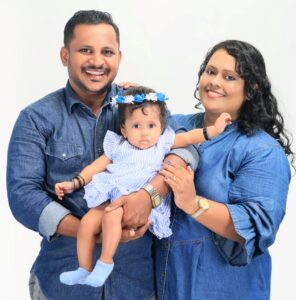
A great photo deserves a frame that does it justice. Whether it’s a wedding portrait, a child’s first NIC photo, a piece of art, or a certificate you’re proud of, the right frame can turn a simple print into a lasting keepsake. But with so many frame styles, mat colours, and glass options available, choosing one isn’t always straightforward.
This guide walks you through everything to consider before you frame your next photo or artwork, so you get a result you’ll love for years.
Table of Contents
- Why the Right Frame Matters
- Step 1: Match the Frame to the Photo or Artwork
- Step 2: Choose the Right Frame Material
- Step 3: Decide on a Mat Border
- Step 4: Pick the Right Glass or Glazing
- Step 5: Think About Where It Will Hang
- Common Picture Framing Mistakes to Avoid
- FAQ: Picture Framing in Sri Lanka
Why the Right Frame Matters
A frame isn’t just a border, it protects your photo from dust, moisture and sunlight while setting the tone for how the image is perceived. A rustic wooden frame gives a warm, homely feel to family portraits, while a sleek black or metallic frame suits modern artwork and office spaces. Get it wrong, and even a beautiful photo can look out of place; get it right, and a simple print becomes a centrepiece.
Step 1 – Match the Frame to the Photo or Artwork
Start with the subject itself:
- Family and studio portraits usually pair well with classic wood or ply-mount frames in neutral tones.
- Wedding and event photography often looks best with elegant, slightly ornate frames or a clean floating frame for a contemporary album-style display.
- Certificates and awards suit simple, professional frames, thin black or wood-tone borders that don’t distract from the text.
- Art prints and paintings benefit from frames that complement, not compete with, the piece; a plain frame with a mat border is usually the safest choice.
- Memorabilia and 3D objects (medals, jerseys, small keepsakes) need a shadow box frame with enough depth to hold the item.
Step 2 – Choose the Right Frame Material
Common options available at photo studios in Sri Lanka include:
- Wood frames – timeless, warm, and versatile; good for homes and traditional interiors.
- Ply-mount frames – budget-friendly, lightweight, and clean-edged; popular for standard photo sizes.
- Metal or aluminium frames – slim, modern, and durable; well suited to offices and contemporary spaces.
- Frameless (glass-clip) frames – a minimal, borderless look for a modern gallery-wall feel.
If you already own a frame you’d like to reuse, most studios can also assist with repairs and adjustments rather than starting from scratch.
Step 3- Decide on a Mat Border
A mat (the border between the photo and the frame edge) does more than look decorative, it creates breathing room around the image and keeps the print from touching the glass directly, which helps prevent moisture damage over time. A neutral white or cream mat works for almost any photo, while a coloured mat can be used to pull out a specific tone in the image. For smaller prints or certificates, a mat can also make the finished piece feel larger and more intentional on the wall.
Step 4- Pick the Right Glass or Glazing
Sri Lanka’s humidity and strong sunlight make glazing an important decision, not just a finishing touch:
- Standard glass is the most affordable option and works well for pieces displayed away from direct sunlight.
- UV-protective or non-reflective glass helps reduce fading and glare, worth considering for photos hung near windows or in brightly lit rooms.
- Acrylic/plexiglass is lighter and shatter-resistant, a practical choice for larger pieces or homes with children.
Step 5- Think About Where It Will Hang
Before finalising your frame, consider the room:
- Living rooms and hallways can handle bolder frames and larger sizes since they’re viewing points from a distance.
- Bedrooms and study areas often suit smaller, softer-toned frames.
- Offices generally look sharper with slim metal or minimalist frames.
- Humid areas (near kitchens or bathrooms) should be avoided for framed photos, or fitted with proper sealed glazing to protect the print.
Common Picture Framing Mistakes to Avoid
- Choosing a frame colour that clashes with the room instead of the photo itself.
- Skipping the mat border on smaller prints, making them look lost inside a large frame.
- Using standard glass for photos in direct sunlight, which accelerates fading.
- Guessing frame sizes instead of measuring the photo or artwork beforehand.
- Overlooking framing for irregular items like awards or fabric, which need a shadow box rather than a standard frame.
Ready to Frame Your Photos or Artwork?
At Tashma Studio in Rajagiriya, we offer custom picture framing for photos, portraits, certificates and artwork, with classic, modern, floating and shadow box options to choose from. We also handle photo printing and laminating and photo restoration, so if your original print needs reprinting or repair before framing, we can take care of the whole process in one visit.
Instant framing is available for sizes from 4×6 up to 12×18, and we accommodate larger pieces up to 24×26.
📍 Visit us at 618, Nawala Road, Rajagiriya, or message us on WhatsApp to ask about frame styles and pricing before you visit.
FAQ- Picture Framing in Sri Lanka
How do I know what size frame I need? Measure the exact width and height of your photo or artwork first. If you plan to add a mat border, add roughly 2-3 inches to each side to estimate the outer frame size, though a framing specialist can confirm exact dimensions for you.
Is a mat border necessary for every photo? No, it depends on the look you want and the print size. Larger prints often look fine without a mat, while smaller prints and certificates usually benefit from one to avoid looking lost in an oversized frame.
Can I frame a photo that’s already printed and laminated? Yes, laminated prints can still be framed, though for the best long-term result, an unlaminated print behind proper glazing is usually recommended.
How long does custom framing usually take? Simple projects with standard sizes can often be completed quickly, while custom sizes, shadow boxes, or large pieces may take longer depending on complexity.
What’s the difference between a floating frame and a standard frame? A standard frame has a visible border around the image, while a floating frame gives the illusion that the photo or artwork is suspended within the frame with no visible border, a popular choice for modern spaces.